Poly-B Plumbing: The Hidden Product That Could Sink Your Ottawa Home Sale
The Hidden Product That Could Sink Your Ottawa Home Sale
If your home was built between the 1980s and the mid 90s, there’s a chance the water lines inside your walls are made of a grey plastic called polybutylene, or Poly-B. It was cheap, easy to install, and used all over Ottawa during the building booms in Barrhaven, Kanata, Orleans and several neighbourhoods within the Greenbelt.
Insurance companies have started to focus on this product as a high risk plumbing product and prone to future issues/leaking.
What exactly is Poly-B?
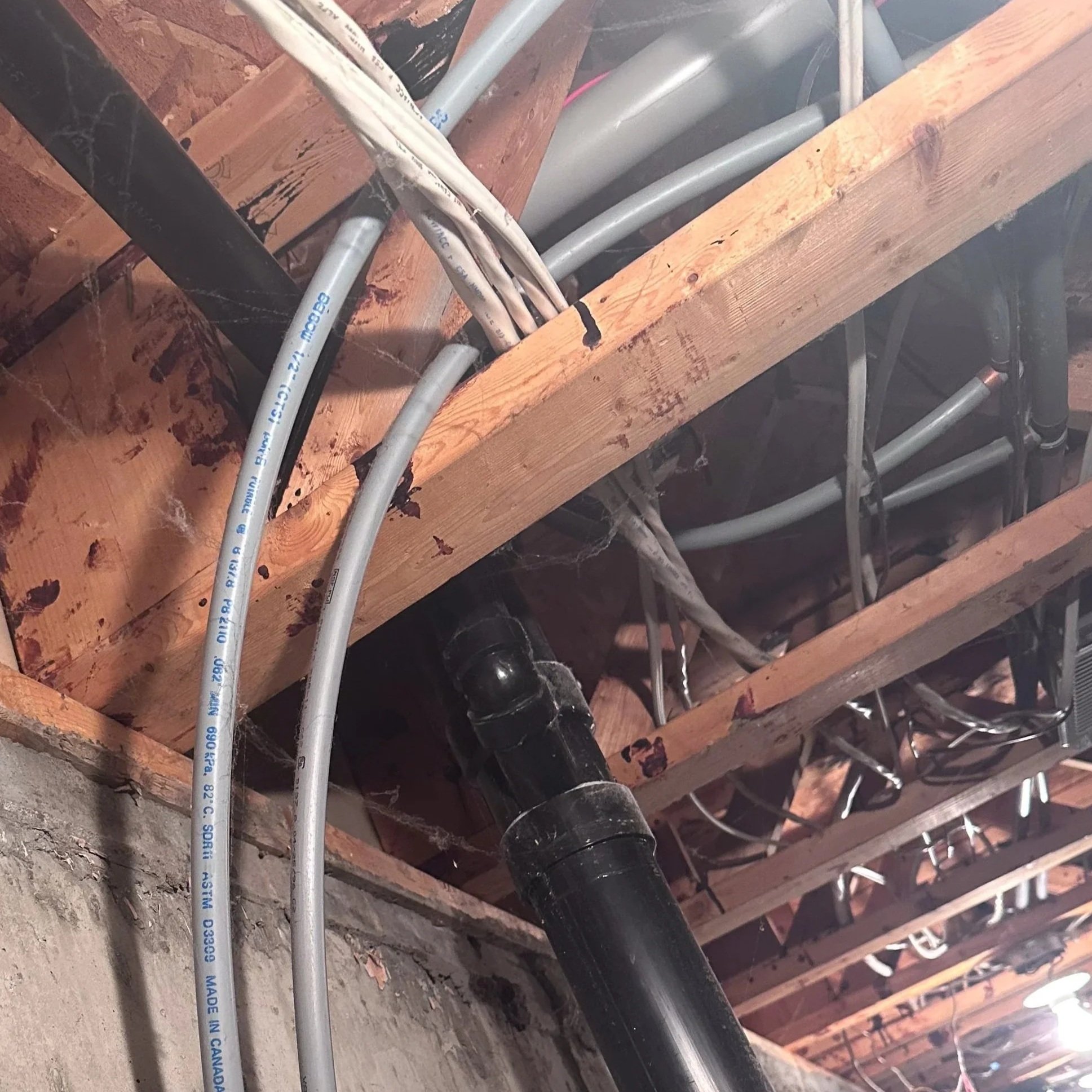
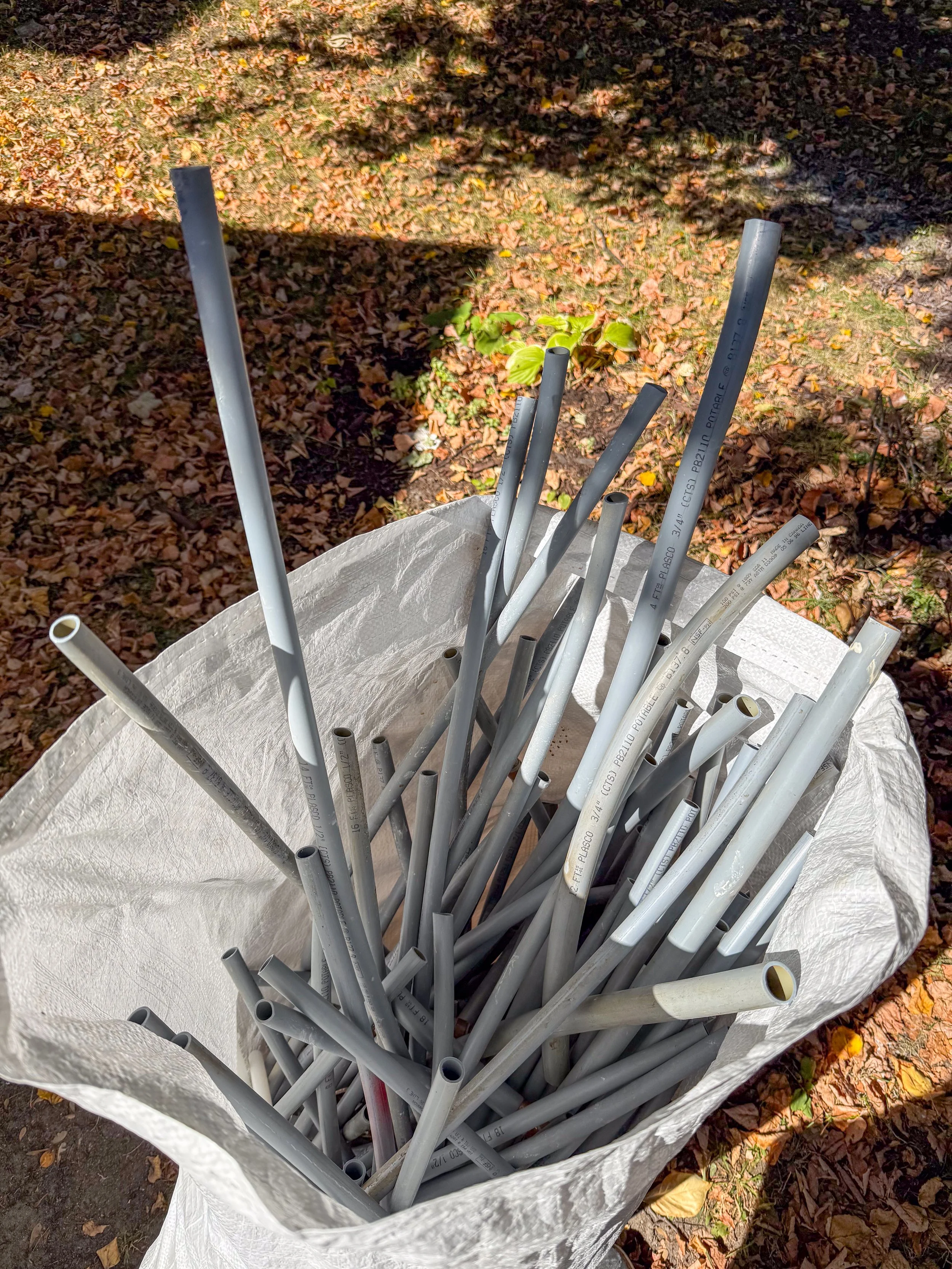
Poly-B is a flexible grey plastic piping used for water supply lines in homes built roughly from 1978 to 1995. You can usually spot it near your water heater, under sinks, or where the main water line enters the house. Look for dull grey plastic pipe, often stamped with "PB2110".
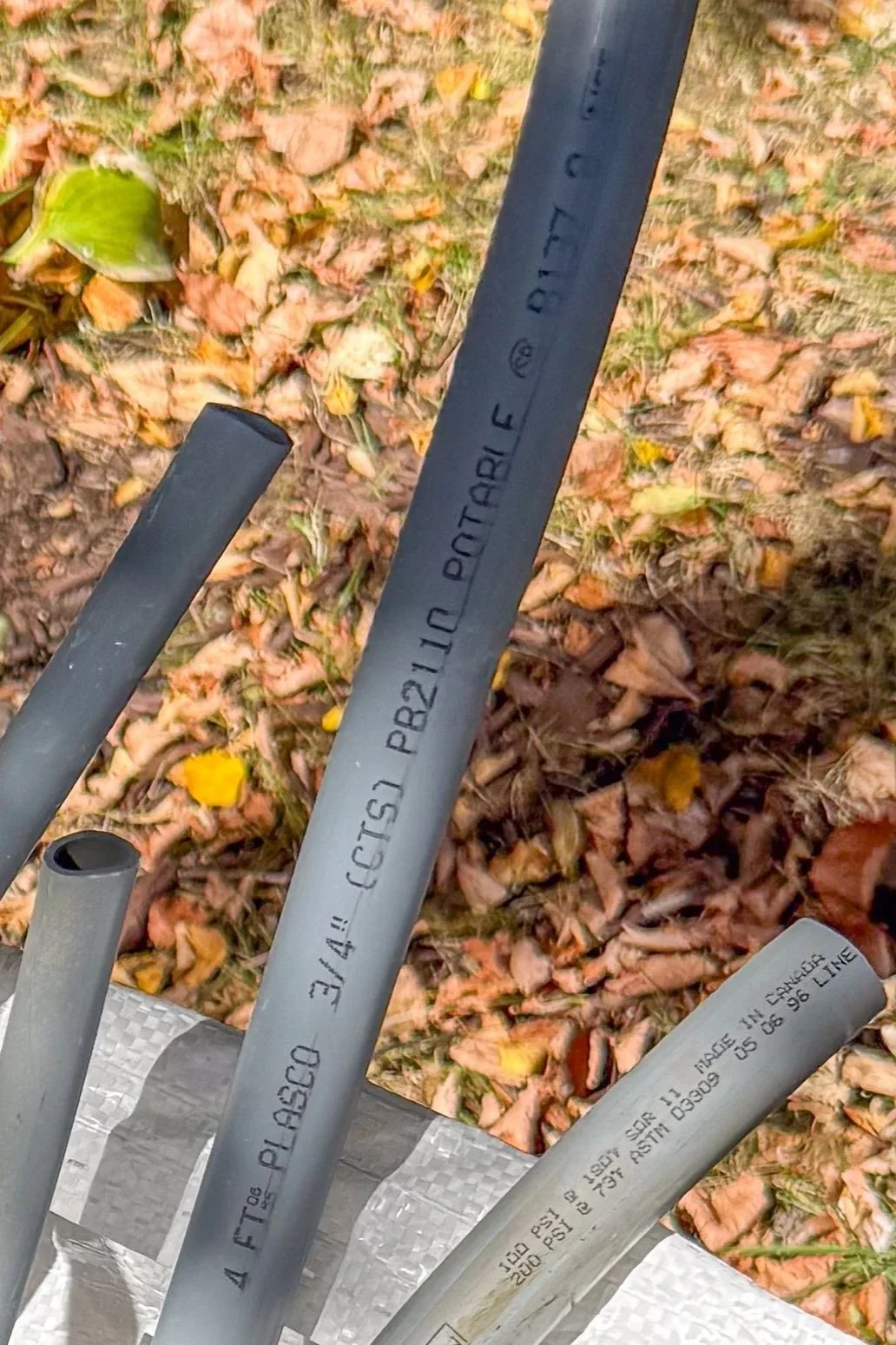
The problem is chemical, not cosmetic. Chlorine and other disinfectants in treated municipal water break the plastic down from the inside out. Ottawa's water is chlorinated, which means Poly-B here tends to degrade faster than in areas on well water. The pipe gets brittle, fittings crack, and you get leaks - sometimes slow seepage inside a wall, sometimes a burst supply line.
It was removed from the Canadian plumbing code in 2005. That did not make existing installations illegal, and homes with Poly-B are still bought, sold, and insured every day. But it did put every insurer, inspector, and buyer on notice.
Why buyers should care:
Here is the part that surprises people: the pipe itself is rarely the deal-breaker. The insurance is.
Many Canadian insurers now treat Poly-B as a higher-risk material. Depending on the company, that can mean a higher premium, reduced water damage coverage, a requirement to replace the pipes by renewal time, or in some cases a straight decline. Since your mortgage lender requires you to carry insurance, a "we won't insure it" answer can quietly kill a purchase.
If you are buying a home from that era:
Assume Poly-B until proven otherwise, and make sure your home inspector checks the supply piping specifically.
Call your insurance broker before you remove your financing and inspection conditions, not after. Get the answer in writing.
If Poly-B is confirmed, you have options: negotiate a price reduction, ask for a seller credit, or in some cases ask the seller to handle the replacement. What works depends on the market and the property.
Why sellers should care
If you are selling a home with Poly-B, the worst outcome is a buyer discovering it on inspection day and panicking. The best outcome is you already knowing about it and having a plan.
That plan usually looks like one of two things. Option one: replace the pipes before you list. A full repipe with PEX (the modern standard) typically runs somewhere in the $10,000 to $20,000 range depending on the size of the home, and it takes the issue off the table entirely. Option two: get two or three written quotes from local plumbers before listing, so when a buyer raises it you can speak to the real number instead of letting their imagination run to the worst case.
Either way, do not hide it. Disclosure protects you, and a prepared seller negotiates from strength.
The bottom line
Poly-B is not a reason to panic, and it is not a reason to walk away from an otherwise great property. It is a known quantity with a known fix and a known cost. The deals that go sideways are the ones where nobody looked into it until the eleventh hour.
If you are buying or selling an Ottawa home from the 80s or 90s and want a straight answer on how Poly-B affects your specific situation, let's talk it through.
Recommended plumbers are available in my monthly newsletter - homeowners toolbox section 🧰